City Hall Wedding Ideas: Chic Courthouse Ceremonies on a Small Budget
A city hall wedding can be the chicest day of your year: marble steps, a small bouquet, your favorite people, and a long lunch after. Here is what it costs, what to wear, and how to plan one beautifully on a small budget.
By HappilyVowed Editors · October 16, 2026
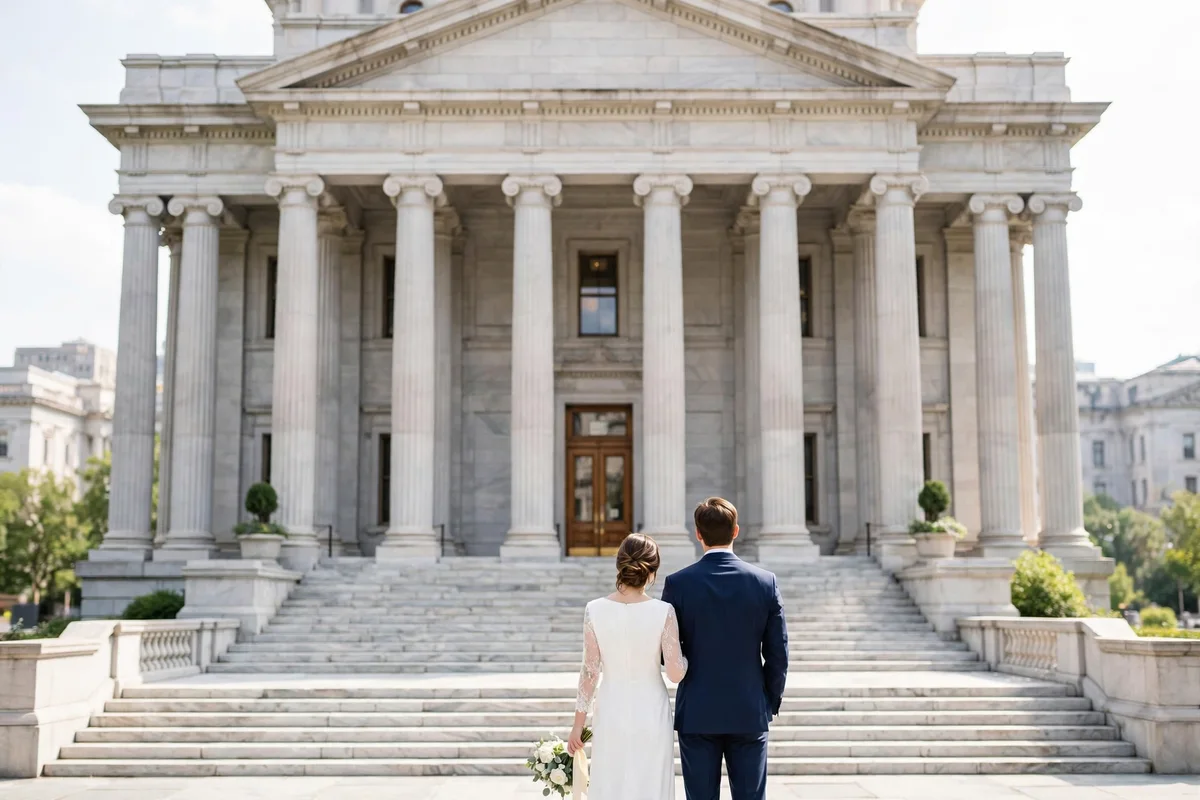
A city hall wedding is not a smaller version of a wedding. It is a different, sharper kind of day: a beautiful building, a ten minute ceremony, your favorite people on the steps, and then a long lunch where you are actually sitting down, eating, in your wedding clothes. Done with intention, it is the chicest wedding most couples can plan, and it usually costs less than the flowers at a traditional one. Here is the whole plan: what it costs, how the booking works, what to wear, and how to make the day feel as significant as it is.
What does a city hall wedding actually cost?
Less than you fear, and the money goes almost entirely on things you will remember. A typical budget breaks down like this, in US dollars, though fees vary by city and state.
- Marriage license: usually 30 to 100 dollars, paid to your local office.
- Ceremony fee: many city halls charge a small fee, often under 100 dollars, and some charge nothing beyond the license.
- Outfits: the biggest variable. A short dress or a good suit, new or second hand, anywhere from 50 dollars to whatever you happily spend.
- Bouquet and buttonhole: a small, beautiful arrangement from a local florist, often 75 to 200 dollars, and worth it in every photograph.
- Photographer for one or two hours: commonly 300 to 1,000 dollars depending on the city, and the single spend couples rate highest afterward.
- Lunch or dinner for your group: a set menu at a favorite restaurant for eight to twelve people can run 400 to 1,500 dollars.
- A small cake: 50 to 150 dollars from a good bakery, sized for your group rather than a ballroom.
Add it up and most couples land somewhere between 1,000 and 3,500 dollars for a day that includes a ceremony, portraits, flowers, and a proper celebration meal. The courthouse itself, the marble, the steps, the grand doors, costs nothing and photographs like a venue ten times the price. More days planned this way, backyard receptions and small guest list celebrations included, live in our budget wedding guides and real cost breakdowns.
How do you plan a courthouse wedding, step by step?
The sequence matters more than the scale. Work through these steps in order and the day builds itself.
- Check your local rules first. License requirements, waiting periods, and booking systems differ by city and state. Read your own city hall or county clerk page before anything else, because it is the only source that is certainly right for you.
- Get the license in time. Some places have a waiting period of a few days between the license and the ceremony, and licenses expire after a set number of days. Work backwards from your date.
- Book the ceremony appointment. Popular slots go early, especially Fridays and dates with repeating numbers. Book the appointment before you book anything else.
- Confirm witnesses and the guest limit. Know exactly how many people the room holds and whether you need to bring witnesses, so nobody is surprised on the day.
- Book the photographer for the ceremony plus one hour. The steps, the doors, and a short walk to your favorite nearby streets are the portraits. One focused hour is plenty.
- Reserve the celebration. Lunch or dinner for your group, booked once the ceremony time is fixed. Tell the restaurant it is a wedding lunch; small kindnesses tend to follow.
- Order the small things. Bouquet, buttonhole, a small cake, and a bottle of something for a toast. Small list, high impact.

What should you wear to a city hall wedding?
Whatever makes you feel like the occasion is real, because it is. The courthouse has hosted every outfit from a full gown to a tailored jumpsuit, and the ones that photograph best share two traits: they fit properly, and they suit the building, all that marble and stone loves clean lines and a little structure.
- A short or midi white dress is the classic city hall silhouette: chic, walkable, and made for steps and street portraits. Look at sample sales, second hand bridal, and good high street occasion ranges before assuming it has to cost bridal money.
- A suit, in any color that suits you, is the other classic, and it reappears in your wardrobe for years. A well fitted suit with a buttonhole is never underdressed for a courthouse.
- A jumpsuit or a two piece reads modern and travels beautifully if you are marrying away from home.
- Vintage belongs here more than anywhere: a courthouse with a century of history is the one venue where a vintage outfit looks like it was designed for the room.
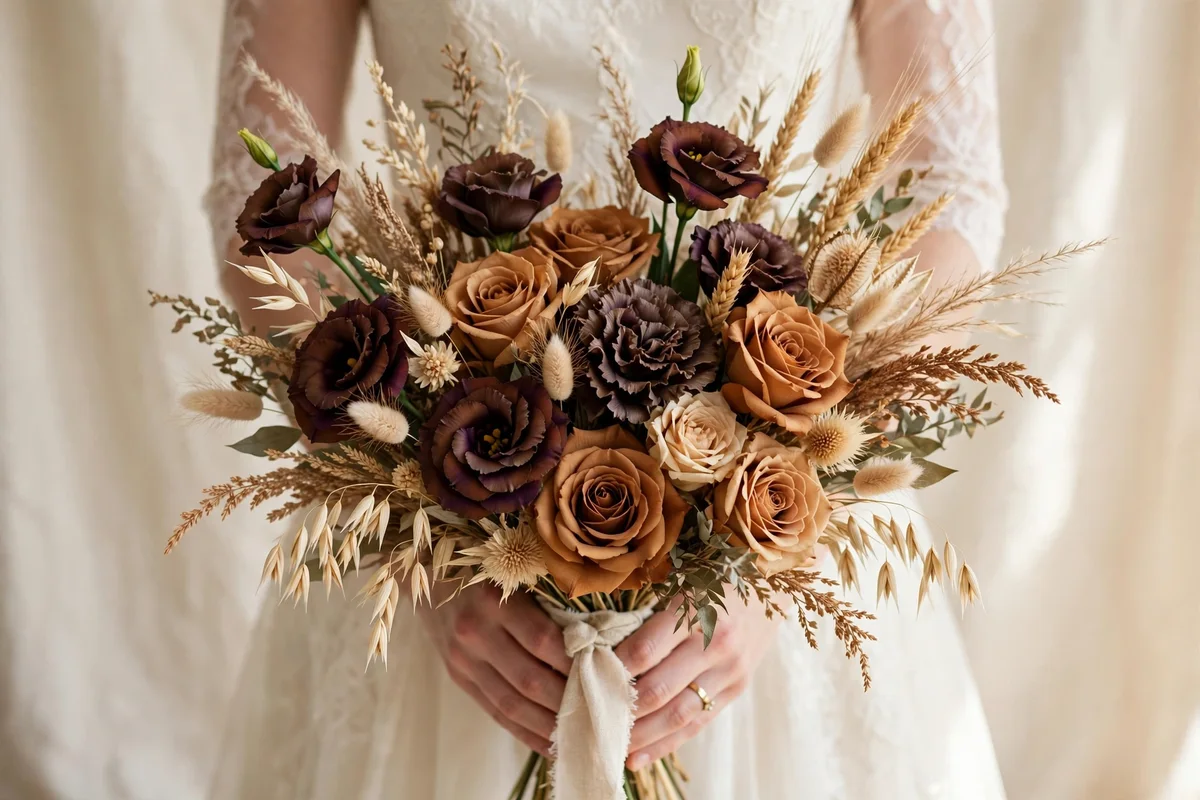
Keep shoes honest. You will walk, stand on steps, and possibly cross a city. Wear the beautiful shoes you can actually walk a few blocks in, and bring the bouquet smaller than you think: a compact arrangement photographs better against a short outfit and leaves a hand free for the railing, the ring, and each other. For a compact bouquet with real presence, the brown wedding bouquets in chocolate tones include small dried arrangements that can be made weeks ahead and kept afterward.
How do you celebrate after the ceremony?
The ceremony takes ten minutes, which means the celebration is the day, and it deserves the same care. The shapes that work best are the ones a small group does well.
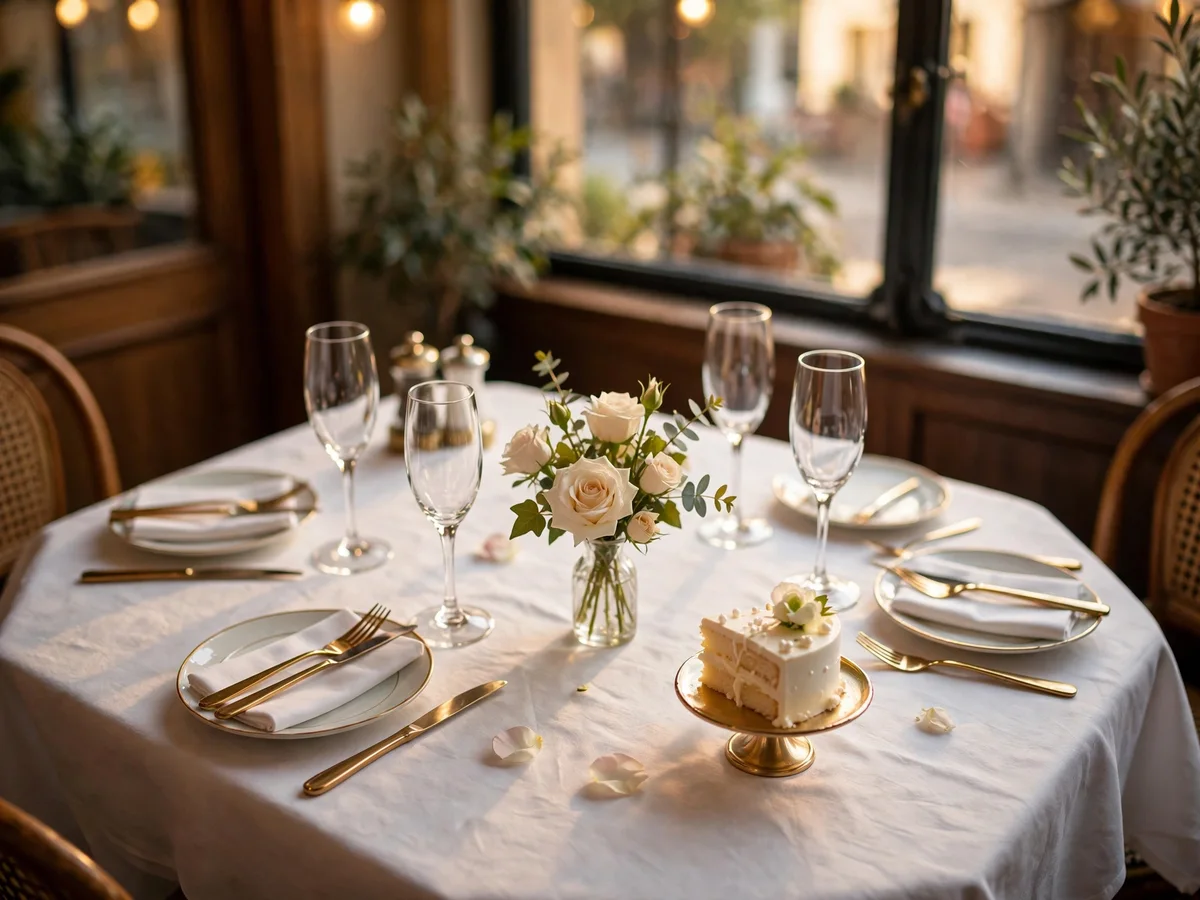
A long lunch is the city hall classic: a private corner or small room at a restaurant you love, a set menu so nobody studies prices, a short speech or two, and the small cake cut at the table. Book the table for longer than you think, these lunches never end on schedule and nobody minds.
A photo walk between the ceremony and the meal turns the city into your venue: the steps, a favorite street, the cafe where you met. Your photographer already has the hour booked, and these are usually the portraits that end up framed.
An evening gathering lets you include everyone the ceremony room could not: drinks at a bar you have booked a corner of, a garden or rooftop if the season allows, with the cake and a toast repeated for the bigger crowd.
A tiny ceremony, a bigger party later is the fourth shape, and it is covered in the questions below. It is not a compromise, it is two good days instead of one.
How do you make a small ceremony feel like a wedding day?
Scale is not what makes a day feel significant, ritual is. The couples who describe their city hall wedding as perfect almost always built small rituals around the legal ten minutes.
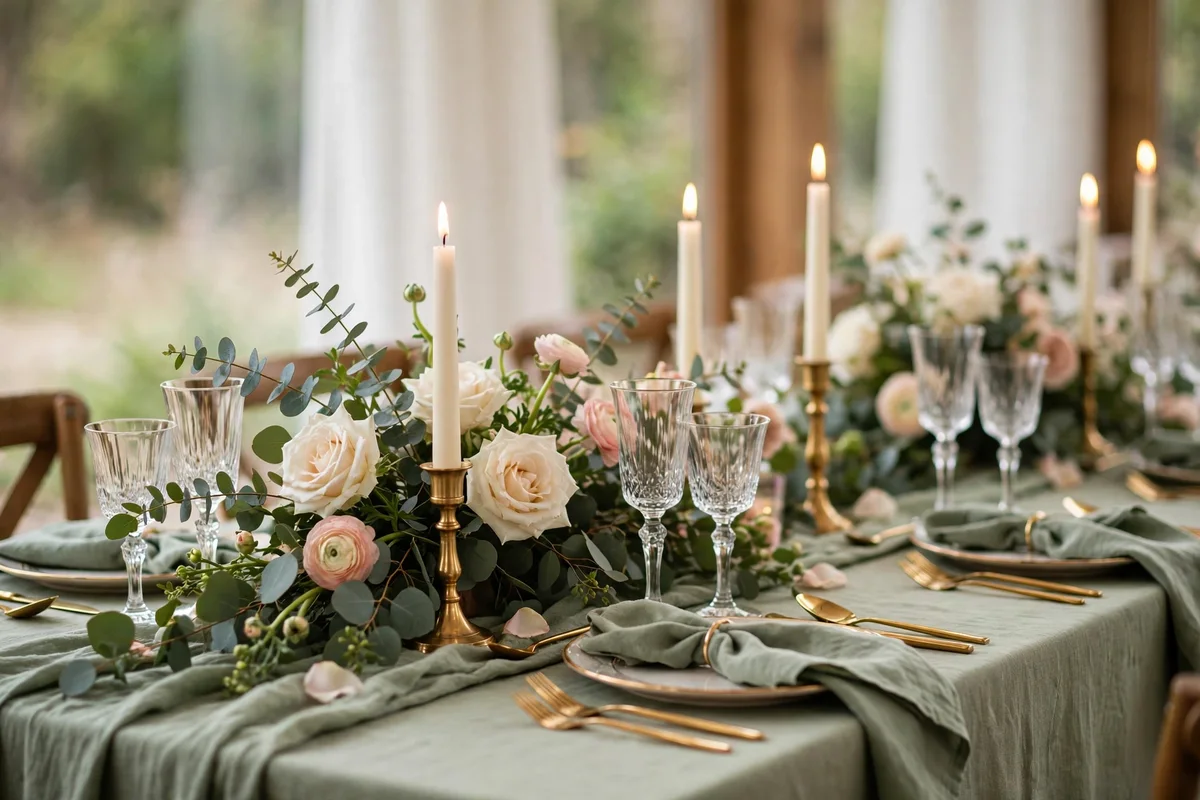
Get ready properly, even if it is just an unhurried morning, good coffee, and music while you dress. Carry real flowers, however small the bouquet. Exchange a few private words, a letter, a short vow, before you leave for the courthouse, since the ceremony itself may not have room for them. Hire the photographer even though it is “only” city hall, because the day is short and the photographs are nearly all of the record. And if you give the day one color story, keep it disciplined: a single palette across the bouquet, the cake, and one table detail does the work of a full decor plan, the same proportion logic behind our sage green and gold wedding color palettes. And end the day deliberately: a toast, the cake, a first dance in a kitchen or a courtyard if that is where the day lands. A wedding day is a sequence of moments you marked on purpose. City hall simply lets you mark every single one of them, with your favorite people close enough to hear.
The courthouse gives you the architecture, the history, and the moment. Everything that makes it feel like your wedding, the flowers, the lunch, the people on the steps, is small, bookable, and entirely yours to choose.
Questions, answered
How many guests can come to a courthouse wedding? +
It depends on the room, and rooms vary a lot. Many city hall ceremony rooms hold somewhere between a handful and about twenty guests, and some famous city halls allow more. Check your specific office when you book, and if your list is bigger than the room, invite everyone to the celebration afterward and keep the ceremony itself to your closest people.
Do you need witnesses at a city hall wedding? +
In most places, yes, usually one or two adults who are present at the ceremony. Some offices can provide a witness for a small fee if you are eloping just the two of you. Confirm the rule when you book the appointment, because it is the one detail couples most often discover too late.
Can you exchange your own vows at a courthouse ceremony? +
Often, briefly. The legal wording is fixed and the ceremony is short, sometimes under ten minutes, but many officiants will let you add a short personal vow or a reading if you ask in advance. If yours will not, exchange your longer vows privately before the appointment, which many couples end up treasuring more.
How far ahead should you book a city hall wedding? +
In large cities, popular days and times can fill several weeks out, and some offices release appointments on a rolling schedule. Book as soon as your date is chosen, then build the rest of the day, the lunch reservation, the photographer, the cake, around that fixed point.
Is it okay to have a bigger party later? +
Completely, and it is one of the most common wedding shapes there is now. Marry at city hall with your closest people, then celebrate with everyone at a party weeks or months later. Invitations usually say the couple will marry in a private ceremony, with a celebration to follow on the party date, and guests understand exactly what that means.